


Home
Myofascial Bodywork is Good Medicine
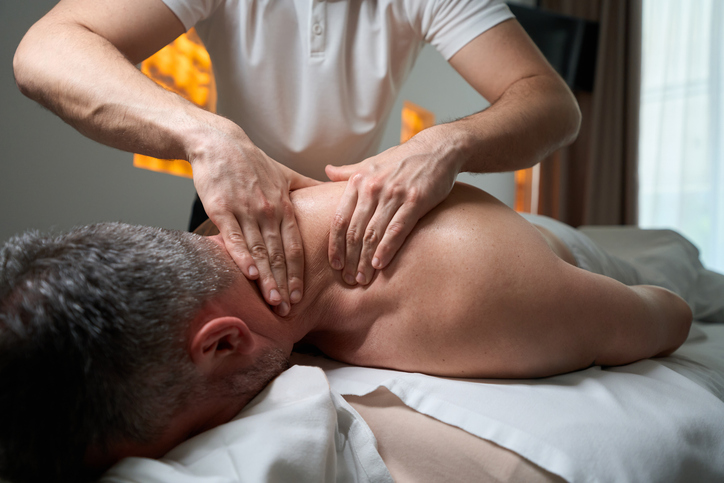
As you lie on the gentle and warm flannel sheet, soft music draws you into the moment. The smell of lavender fills the air and you hear the gentle flow of water as it cycles in the fountain over in the corner of the room. The pains of age, the throbbing from your overstressed muscles, the sheer need to be touched -- all cry out for therapeutic hands to start their work. Once the session gets underway, the problems of your day fade into an oblivious 60 minutes of relief ...and all you can comprehend is not wanting it to end.
Okay, it is not quite like that. I do have warmed, flannel sheets and soft, relaxing music. But there is no lavender wafting through the air, and I do not yet have a fountain in the corner with its gently flowing water ... Still, the commonly held image of massage is based in spa culture, a world of luxurious pampering that for most of us is in the category of a rare and special treat.
But what if that hour of massage did more for you than just take away the pressures of the day? What if that gentle, pampering massage you allow yourself as a well-deserved indulgence every now and again helped you combat cancer? What if bodywork helped you recover from a strained hamstring in half the time? What if your sleep, digestion and mood all improved with massage and bodywork? What if these weren't just "what ifs"?
Evidence is showing that the more massage you can allow yourself, the better you will feel.
Massage as a healing tool has been around for thousands of years in many cultures. Touching is a natural human reaction to pain and stress, and for conveying compassion and support. Think of the last time you bumped your head or stubbed your toe. What did you do? Rubbed it, right?
The same was true of our earliest ancestors. Healers throughout time and throughout the world have instinctually and independently developed a wide range of therapeutic techniques using touch. Many are still in use today, and with good reason.
We now have scientific proof of the benefits of massage -- benefits ranging from treating chronic diseases and injuries to alleviating the tension of our modern lifestyles. Having a massage does more than just relax your body and mind -- there are specific physiological and psychological changes which occur. These benefits are enhanced when massage is utilized on a regular basis as a preventative measure. So maybe you should consider bodywork an ongoing part of your wellness regimen, rather than an occasional luxury. Massage not only feels good: it can cure what ails you.
|
The Need For Touch As a society, we are touch deprived and this can lead to disease or emotional dysfunction. From the cradle to the nursing home, tactile stimulation and the emotional assurance of caring touch bring about a sense of well-being and security. In numerous studies conducted on massage for infants, TRI researchers have found improved weight gain and development in preterm infants, improved weight gain and motor behavior in cocaine-exposed infants, and improved weight gain and decreased stress behavior in HIV-exposed infants. Full-term infants also benefit with increased alertness and social behavior, less crying and increased weight gain. |
The S word
Experts estimate that 80% to 90% of disease is stress-related. Massage and bodywork is there to combat that frightening number by helping us remember what it means to relax. The physical changes massage brings to your body can have a positive effect in many areas of your life.
Besides increasing relaxation and decreasing anxiety, massage lowers your blood pressure, increases circulation, improves recovery from injury, helps you to sleep better and can increase your concentration. It reduces fatigue and gives you more energy to handle stressful situations.
Massage is a perfect elixir for good health, but it can also provide an integration of body and mind. By producing a meditative state or heightened awareness of living in the present moment, massage can provide emotional and spiritual balance, bringing with it true relaxation and peace.
The benefits of massage are doubly powerful if taken in regular "doses." Dr. Maria Hernandez-Reif, from the Touch Research Institute (TRI) at the University of Miami, is known for her massage research conducted with colleague Tiffany Field. While their studies have shown we can benefit from massage even in small doses (15 minutes of chair massage or a half-hour table session), Hernandez-Reif says they know from their research that receiving bodywork 2 or 3 times a week is highly beneficial.
There is even the suggestion that daily massage would be optimal, but for most of us that simply is not going to happen. Balancing the time commitment and the financial investment will mitigate what is "optimal" for each person.
My body starts to long for massage after about three weeks. Some of my clients schedule every two weeks, others are on a four- or six-week cycle. Some fit it in when they can, others see me several times within a short span of time to resolve a specific issue. There are many ways to bring myofascial bodywork into your wellness regimen.
It is certainly a wonderful thing when your therapist begins to unwind those stress-tightened muscles; your day's troubles start to fade from the screen of your consciousness, and you begin to "fall in", as one of my friends likes to call that peculiar experience of deeply resting awareness. But it is the knowing that this delicious "medicine" becomes even more effective with rhythmic repetition that seals the deal.